Osteopathy in Burleigh Waters
Evidence-Informed Osteopathic Care on the Gold Coast
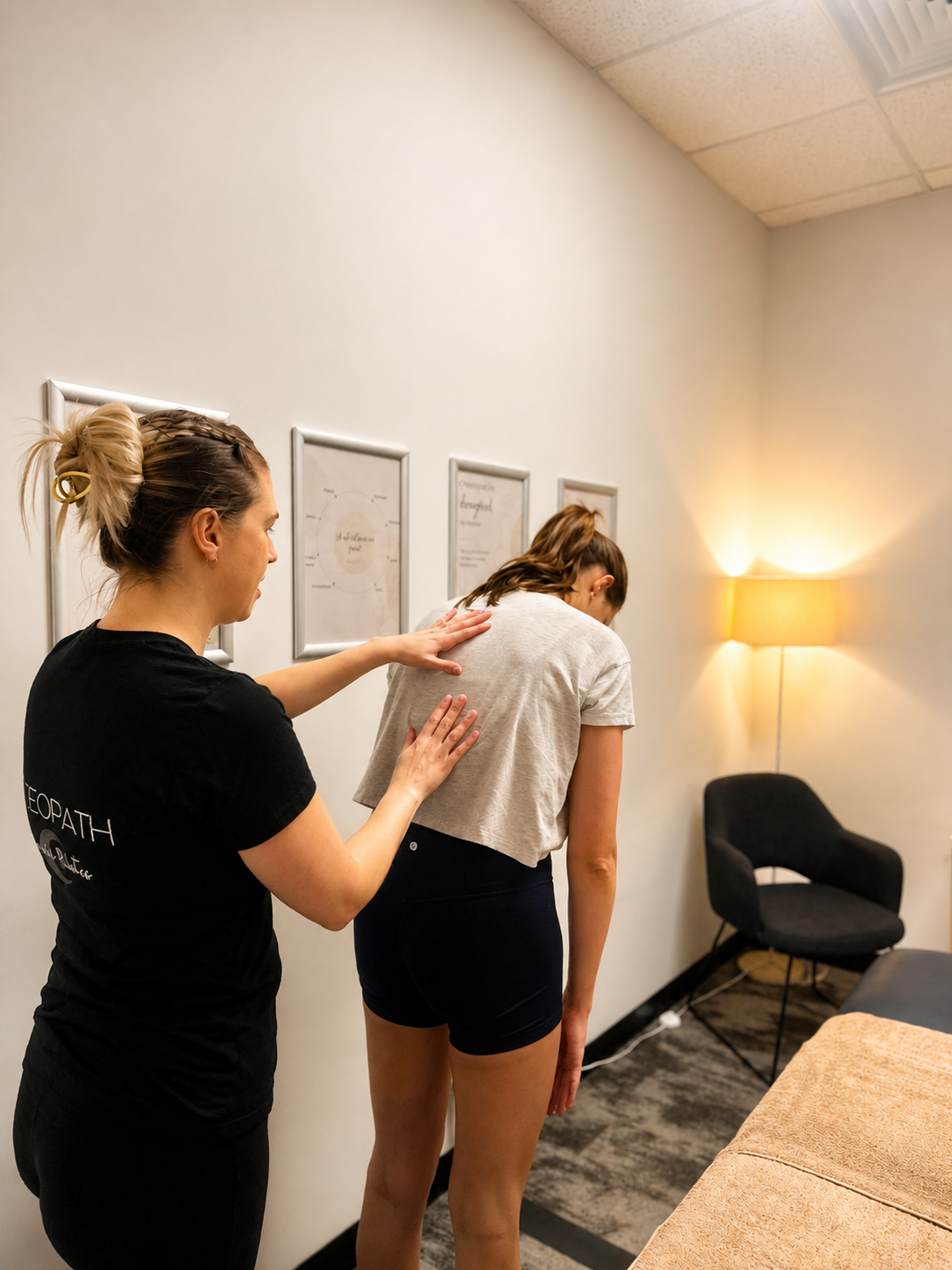
Osteopathy is a hands-on allied health profession that focuses on the relationship between the body’s structure, movement, and overall function. Treatment aims to support your body’s ability to move and function more comfortably through a combination of manual therapy, movement assessment, rehabilitation, and education.
Treatment is tailored to you as an individual rather than following a one-size-fits-all approach.
At Osteo Wellness Studio, treatment is focused on helping you move better, feel stronger, and better understand your body.
-
Your initial consultation includes:
A detailed discussion about your symptoms, health history, lifestyle, and goals
Movement and physical assessment
Explanation of findings
Hands-on treatment where appropriate
Individualised management planning
Treatment may include:
Joint mobilisation
Soft tissue techniques
Stretching and mobility work
Exercise rehabilitation
Movement assessment and retraining
Postural and ergonomic advice
Education and self-management strategies
Osteopathic treatment can be combined with movement-based rehabilitation principles to help support both short and long-term outcomes.
-
Osteopathy may assist with a wide range of musculoskeletal concerns, including:
Back pain
Neck pain
Headaches and migraines
Hip and pelvic pain
Shoulder pain
Postural strain
Sports and gym-related injuries
Pregnancy-related discomfort
Jaw pain (TMJ dysfunction)
Muscle tension and stiffness
Persistent pain presentations
Mobility and movement concerns
If you are unsure whether Osteopathy is appropriate for your situation, feel free to get in touch before booking.
-
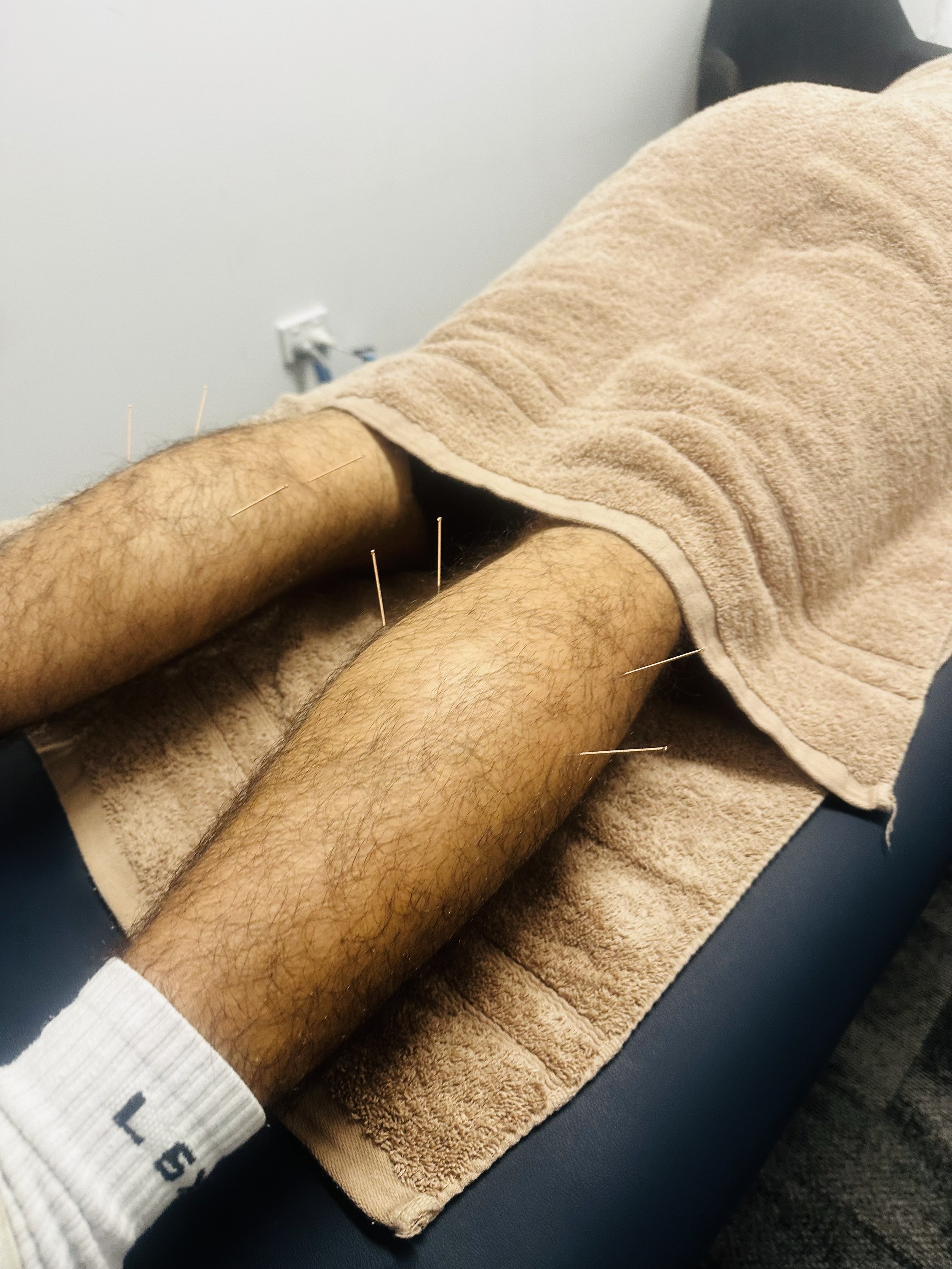
Dry needling is a technique that uses fine, sterile needles to target sensitive or tight areas within muscles and surrounding soft tissues.
It may be used as part of your osteopathic treatment to help reduce muscle tension, improve movement and settle areas that are particularly irritable or difficult to release with hands-on techniques alone.
Dry needling is always used within the context of a broader assessment and treatment plan, rather than as a stand-alone treatment.
It may be considered for:
Muscle tightness and trigger points
Neck and shoulder tension
Back pain
Sports-related muscle pain
Persistent muscular discomfort
Restricted movement
Treatment is tailored to your presentation, comfort and goals, and consent is obtained before dry needling is used.
-
Shockwave therapy uses controlled acoustic pulses applied to an area of soft tissue to stimulate a local physiological response.
It is most commonly incorporated into rehabilitation for certain persistent tendon and soft-tissue presentations, particularly where symptoms have not responded fully to rest, exercise or other conservative management.
Shockwave is generally used alongside progressive rehabilitation rather than as a replacement for exercise.
It may be considered for presentations such as:
Plantar heel pain
Achilles tendinopathy
Patellar tendinopathy
Lateral elbow tendinopathy
Certain shoulder tendon conditions
Other persistent tendon-related pain
Following assessment, we can discuss whether shockwave is appropriate for your condition and how it may fit into your broader rehabilitation plan.
-
Cupping uses suction applied to the skin and superficial soft tissues using specially designed cups.
It may be incorporated into osteopathic treatment to help temporarily reduce feelings of muscular tightness, improve local movement and provide a different form of soft-tissue input.
Cupping is commonly used alongside hands-on treatment, mobility work and rehabilitation exercises.
It may be considered for:
Muscle tightness
Back and shoulder tension
Restricted movement
Post-exercise soreness
Areas of persistent soft-tissue sensitivity
Cupping can sometimes leave temporary circular marks on the skin. These are generally harmless and usually fade over several days.

Appointment Journies
Got questions? They may be answered here
Initial Osteopathy Appointment
Includes a thorough case history, assessment, treatment, and management planning. In most cases, your first appointment will include manual therapy and/or exercise during the session depending on your presentation.
Rehabilitative Clinical Pilates
If you are requiring longer-term support, rehabilitation, movement retraining, exercise progression, or ongoing management of persistent or recurring symptoms.
Standard Follow-Up Osteopathy Appointment
Follow-up treatment tailored to your progress and goals. Follow-ups may be advised if clinical guidelines suggest it would be useful for your condition.
Ongoing Injury Prevention & Support
Optional. Focused on improving movement, mobility, recovery, and overall function to help support exercise, sport, work demands, and daily activities. Aimed at preventing future occurences and new injuries.